


Beginner's guide to understanding the basics of gambling strategies
Understanding Gambling Strategies
Gambling strategies are fundamental concepts that help players make informed decisions while engaging in various games of chance. These strategies often involve a combination of mathematical probabilities, risk management, and psychological insights. By understanding these elements, players can enhance their overall experience, whether they are betting on sports, playing card games, or participating in online casino games. A solid grasp of gambling strategies is essential for anyone looking to turn a profit or simply enjoy the thrill of the game responsibly. For those interested in online gaming, visiting mythoswincasinoonline.com can provide a wealth of information and options.

At its core, a gambling strategy is about maximizing the chances of winning while minimizing losses. Different games require different approaches; for instance, poker involves an element of skill and strategy, while slot machines rely more on luck. Players must consider the rules of the game, the house edge, and their own risk tolerance. By examining these factors, beginners can identify strategies that align with their personal goals and preferences, thus enhancing their gambling journey.
Moreover, understanding the various gambling strategies also includes recognizing the importance of bankroll management. Properly managing one’s funds is crucial to sustaining long-term engagement in gambling. This entails setting limits, sticking to a budget, and knowing when to walk away. A well-thought-out strategy not only improves the likelihood of success but also fosters a more enjoyable gambling experience by reducing stress and anxiety associated with monetary losses.
Online Gambling vs. Offline Gambling
One of the primary distinctions in gambling is between online and offline platforms. Online gambling offers convenience and accessibility, allowing players to engage in their favorite games from the comfort of their homes. With just a few clicks, users can access a wide variety of games, including slots, table games, and even live dealer experiences. This flexibility can appeal particularly to beginners who may feel intimidated by the atmosphere of a physical casino.
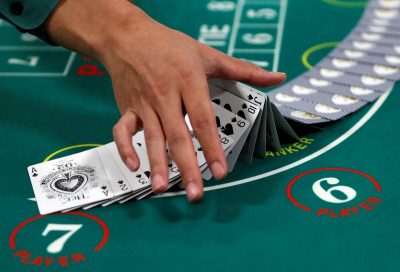
On the other hand, offline gambling provides a social and immersive experience that online platforms cannot replicate. The ambiance of a casino, with its lights, sounds, and live interactions, contributes to the excitement of gambling. Many players appreciate the tactile nature of handling physical chips and cards and the thrill of being surrounded by fellow gamblers. For some, the social aspect of offline gambling adds an extra layer of enjoyment that enhances the overall experience, including people enjoying games at the MythosWin casino.
Both online and offline gambling have their unique advantages and drawbacks. Online platforms may offer better bonuses and promotions due to lower operational costs, whereas physical casinos often foster a community atmosphere that online gambling sometimes lacks. Understanding these differences allows players to choose the platform that best suits their preferences and comfort levels, making for a more enjoyable gambling experience overall.
Basic Strategies for Popular Games
Different games require different strategies to maximize winning potential. For example, in blackjack, a well-known strategy is to adhere to basic playing principles that dictate when to hit, stand, double down, or split. Understanding the dealer’s upcard and knowing when to take risks or play conservatively can significantly influence the game’s outcome. Basic strategy charts can guide players in making statistically sound decisions that reduce the house edge.
In contrast, poker requires a mix of skill, strategy, and psychology. Players must analyze not only their own hands but also those of their opponents. Strategies in poker often include concepts such as bluffing, pot odds, and position play. Mastering these elements allows players to capitalize on their opponents’ mistakes while minimizing their own risks. Successful poker players often invest considerable time in understanding odds and developing a keen sense of timing and patience.
Slots, being a game of chance, have simpler strategies. Players should understand the return to player (RTP) percentages and the volatility of different machines. Choosing the right slot game with a higher RTP can lead to better long-term outcomes. Additionally, setting a budget and knowing when to stop are essential strategies for enjoying this form of gambling without incurring significant losses.
The Role of Psychology in Gambling
The psychology of gambling plays a pivotal role in how players make decisions and manage their behavior. Understanding cognitive biases, such as the gambler’s fallacy—the belief that past outcomes affect future results—can help players make more rational choices. Recognizing these biases enables players to approach gambling with a more realistic mindset, reducing the likelihood of emotional decision-making during gameplay.
Emotional control is crucial in gambling. Many players experience a range of emotions from excitement to frustration, and these feelings can significantly impact their decision-making. Developing strategies to manage emotions, such as setting loss limits or taking breaks, can help players maintain a clear head during gambling sessions. Emotional resilience is essential for making informed decisions that align with a player’s gambling strategies.
Moreover, fostering a positive mindset is important for both online and offline gambling. Approaching gambling as a form of entertainment rather than a means to make money can improve the overall experience. This perspective encourages responsible play and enhances enjoyment while minimizing the potential for negative emotional consequences, such as stress or addiction. Understanding the psychological aspects of gambling helps players maintain a healthier relationship with their gambling activities.
Exploring Resources for Gamblers
For beginners looking to dive deeper into gambling strategies, numerous resources are available. Online forums, tutorials, and strategy guides offer valuable insights into the various games and techniques. Many websites provide comprehensive information on odds, game rules, and strategies tailored to specific games. Engaging with these resources can help new players feel more confident as they navigate the gambling landscape.
Additionally, practicing with free online games can provide an excellent opportunity for beginners to familiarize themselves with different games without the risk of losing money. Many online casinos offer demo versions of their games, allowing players to experiment with various strategies and hone their skills. This practice is invaluable for building confidence and understanding the nuances of each game.
Moreover, responsible gambling resources are essential for ensuring a healthy approach to gambling. Many platforms provide tools for players to set limits on their spending, track their playtime, and access support if needed. Educating oneself about responsible gambling practices and recognizing the signs of problematic behavior is crucial for maintaining a positive and enjoyable gambling experience.

